Common Land Rover Freelander 2 Engine Warning Signs & How to Cope with Them
- Posted on February 13, 2026
- blogs
- By Administrator
- 1586 Views
The Land Rover Freelander 2 is known for its durability and refined driving experience, but like any SUV, engine issues can develop over time. This guide outlines the most common Freelander 2 engine warning signs, including overheating, engine misfires, low oil pressure, turbocharger failure, and timing chain problems.
Early detection is critical. Symptoms such as rising temperature gauges, rough idling, loss of power, oil pressure warnings, or rattling engine noises should never be ignored. Many issues stem from poor lubrication, coolant leaks, worn spark plugs, faulty ignition components, or neglected servicing.
The article also explains practical solutions, including regular oil changes, cooling system inspections, spark plug replacement, and professional diagnostics. For severe damage, options such as a Freelander 2 engine rebuild or installing a reconditioned engine are discussed as cost-effective alternatives to full replacement.
UK engine replacement costs typically range from £2,000 to £6,000 depending on engine type and labour rates. With proactive maintenance and timely repairs, Freelander 2 owners can significantly extend engine life and avoid expensive breakdowns.
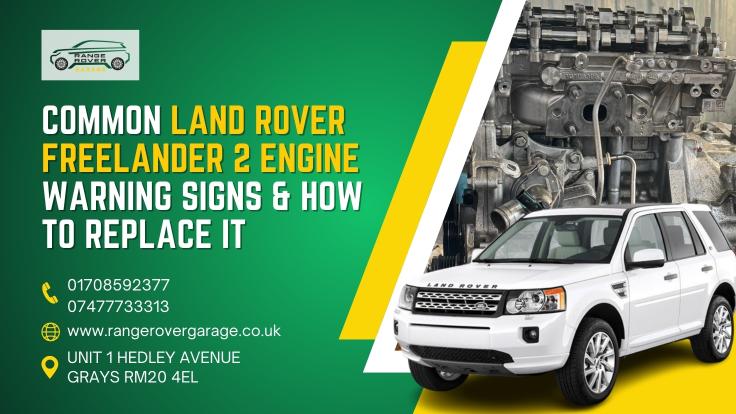
As a proud owner of a Land Rover Freelander 2, you're familiar with its combination of style, power, and off-road capabilities. However, like any vehicle, the Land Rover Freelander 2 engine can experience its fair share of issues. Understanding the warning signs early can help you prevent expensive repairs and maintain your vehicle’s performance for years to come. In this article, we’ll explore some common engine problems, how to spot them, and what you can do to cope with these issues.
What Are the Most Common Land Rover Freelander 2 Engine Problems?
Owning a Land Rover Freelander 2 comes with the joy of driving a robust and reliable SUV, but like all vehicles, the engine isn’t immune to problems. Here are some of the most common Land Rover Freelander 2 engine problems and how to identify them early:
1. Overheating Engine: What Could Be Causing It?
One of the most common problems with the Land Rover Freelander 2 engine is overheating. If your engine is running hot, you’re likely to see the temperature gauge rise higher than normal, and you may even experience steam or smoke coming from under the hood.
Potential causes of overheating:
-
Low Coolant Levels: Coolant is essential for regulating engine temperature. A coolant leak or low coolant level can cause the engine to overheat.
-
Malfunctioning Thermostat: The thermostat regulates engine temperature. If it’s stuck closed, it can cause the engine to overheat.
-
Faulty Water Pump: The water pump circulates coolant throughout the engine. If it fails, the coolant can’t circulate, and the engine will overheat.
How to cope: Keep an eye on the coolant levels and get your Land Rover Freelander 2 engine checked regularly for leaks or wear in the cooling system. If your car is running hot, shut it off and let it cool before addressing the issue.
2. Engine Misfire: What Is It and How to Fix It?
Another issue that can crop up in your Land Rover Freelander 2 engine is engine misfires. This occurs when one or more of the engine’s cylinders fail to fire correctly, leading to poor engine performance, loss of power, or a rough idle.
Common causes of engine misfires:
-
Worn-Out Spark Plugs: Over time, spark plugs wear out and stop firing properly.
-
Fuel Injector Problems: Clogged or malfunctioning fuel injectors can lead to misfires by disrupting the air-fuel mixture.
-
Ignition Coil Failure: The ignition coil provides the spark needed to ignite the air-fuel mixture. If it fails, the engine can misfire.
How to cope: Regularly changing spark plugs and cleaning or replacing the fuel injectors can help prevent misfires. If you notice a rough idle or hesitation during acceleration, get your engine checked immediately.
3. Low Oil Pressure: Why Is It Happening?
Low oil pressure is a common issue in many vehicles, including the Land Rover Freelander 2 engine. It can be caused by a variety of issues, including low oil levels, a faulty oil pump, or clogged oil filters.
Why does this happen?
-
Low Oil Levels: If your oil is low, the engine won’t be lubricated properly, which can lead to increased friction and engine damage.
-
Oil Pump Failure: The oil pump circulates oil through the engine. If it fails, oil pressure drops, and the engine can suffer severe damage.
-
Clogged Oil Filter: A clogged oil filter can restrict the flow of oil, leading to low oil pressure.
How to cope: Regularly check oil levels and replace the oil and filter according to your vehicle’s service schedule. If the oil pressure warning light comes on, stop driving immediately and get your engine checked.
4. Timing Chain Problems: What Happens If It Breaks?
A failing timing chain is another issue that can affect the Land Rover Freelander 2 engine. The timing chain ensures that the engine’s camshaft and crankshaft are synchronized. If the timing chain slips or breaks, it can cause significant engine damage.
Why do timing chains fail?
-
Worn Chain: Over time, the timing chain can wear out and stretch, causing it to slip.
-
Low Oil Pressure: Low oil levels can lead to poor lubrication, which causes the timing chain to wear out more quickly.
-
Neglecting Maintenance: Timing chains are designed to last, but regular maintenance, such as oil changes, is critical to ensuring their longevity.
How to cope: Stay on top of regular oil changes, as clean, fresh oil helps maintain proper lubrication for the timing chain. If you hear rattling noises from the engine, especially during idle, have the timing chain checked.
5. Turbocharger Issues: Why Does It Happen?
If your Land Rover Freelander 2 engine has a turbocharger, it’s essential to maintain it properly. Turbochargers are responsible for increasing engine efficiency and performance, but they can be prone to failure if not properly cared for.
Common causes of turbocharger failure:
-
Oil Starvation: The turbocharger relies on oil to stay lubricated. If oil levels are low or the oil is old, it can cause the turbo to seize or fail.
-
Foreign Debris: Dirt or debris can enter the turbocharger and cause damage to its delicate components.
-
Overheating: Excessive heat from the engine can cause the turbo to wear out prematurely.
How to cope: Make sure you use high-quality oil and change it regularly. Avoid turning off the engine immediately after heavy driving; let it idle for a minute or so to cool down the turbo before shutting off.
How to Cope with These Common Engine Issues in the Land Rover Freelander 2
While engine issues can be intimidating, knowing how to cope with them is half the battle. Here’s a quick rundown of how to handle Land Rover Freelander 2 engine problems and keep your vehicle running smoothly.
1. Regular Maintenance and Early Detection
Regularly servicing your Land Rover Freelander 2 engine can help you catch problems before they become major issues. Make sure you follow the manufacturer’s service schedule and keep an eye on common warning signs like overheating, engine misfires, or low oil pressure.
2. Opt for a Freelander 2 Engine Rebuild or Reconditioned Engine
If you’re facing severe engine damage, consider opting for a Freelander 2 engine rebuild or purchasing a Freelander 2 reconditioned engine. These options can be more cost-effective than a full engine replacement and can restore your engine to like-new performance.
3. Seek Professional Help
If you’re not familiar with engine repairs, always seek the help of a professional mechanic or visit a Land Rover Freelander 2 engine repair shop. Whether it’s a simple spark plug replacement or a complete engine rebuild, having the right expertise is crucial for ensuring a job well done.
4. Plan for Engine Replacement When Necessary
In cases where the engine is beyond repair, you may need to consider Land Rover Freelander 2 engine replacement. While this can be costly, it may be the best option if your engine is severely damaged. Keep in mind that Land Rover Freelander 2 engine replacement cost can vary depending on the condition of the engine and the garage you choose for the job.
What Should You Do When It's Time for an Engine Rebuild or Replacement?
If your Freelander 2 engine problems are too severe for a simple repair, you might need an engine rebuild or a complete replacement. Here’s what you can do:
-
Engine Rebuild: If your engine is in decent shape, a rebuild might be a good option. This process involves disassembling the engine, replacing worn-out components, and reassembling it. The advantage of a rebuild is that it can extend the life of your engine without the high cost of a full replacement.
-
Engine Replacement: If your engine is beyond repair, consider replacing it with a new or reconditioned Freelander 2 engine. This is a more expensive option but will ensure that your vehicle continues to perform at its best.
Land Rover Freelander 2 Engine Replacement Cost and Considerations
When it comes to Land Rover Freelander 2 engine replacement, costs can vary. A complete engine replacement can cost anywhere from £2,000 to £6,000, depending on whether you're getting a new, used, or reconditioned engine. While this might seem high, it’s often a more cost-effective option than buying a new vehicle.
If you’re on a budget, a Freelander 2 reconditioned engine might be the best solution. These engines are refurbished to like-new condition and can be significantly cheaper than a brand-new engine.
Final Thoughts
The Land Rover Freelander 2 engine is a powerful and reliable component of your vehicle, but like all engines, it requires regular attention to keep it in top condition. By staying on top of maintenance, addressing warning signs early, and opting for repairs or rebuilds when necessary, you can extend the life of your engine and avoid costly replacements. Whether you’re dealing with overheating, misfires, or turbocharger issues, the key is to act quickly and seek professional help when needed.
FAQs
What are the most common Land Rover Freelander 2 engine problems?
Common issues include overheating, engine misfires, low oil pressure, turbocharger failure, and timing chain problems.
How much does a Land Rover Freelander 2 engine replacement cost?
The cost of replacement can range from £2,000 to £6,000, depending on the type of engine (new, used, or reconditioned).
What should I do if my Land Rover Freelander 2 engine overheats?
If your engine overheats, turn off the vehicle immediately and let it cool. Check the coolant levels, and if necessary, take your car to a mechanic for further inspection.
Can I rebuild my Land Rover Freelander 2 engine?
Yes, engine rebuilding is a great option for minor engine issues and can be more cost-effective than a complete engine replacement.
What is the difference between a Freelander 2 reconditioned engine and a new engine?
A reconditioned engine is refurbished to like-new condition, while a new engine is factory fresh and often comes with a higher price tag.